The Practice Everyone Underestimates
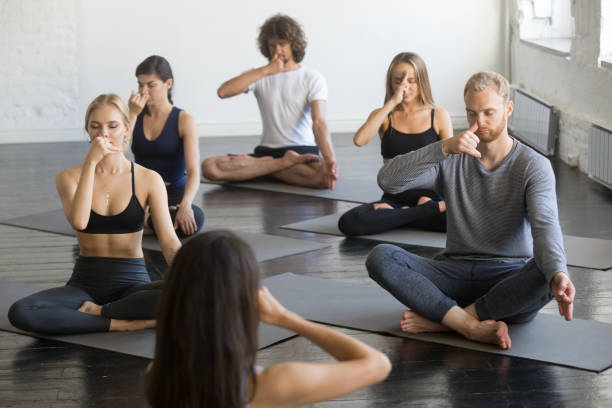
Ask a room full of yoga students what pranayama is, and most will say “breathing exercises” and leave it at that. It’s often treated as a warm-up or a cooldown, a few minutes tacked onto the edges of an asana class. But breath control is actually one of the most powerful tools in the entire yogic system, capable of shifting mental state, nervous system regulation, and energy levels far more directly than physical postures alone.
That’s precisely why dedicated training exists separately from general yoga certifications — because teaching breathwork safely and effectively takes real, focused study.
What These Courses Actually Teach
Programs typically walk through the full range of classical techniques — from simple diaphragmatic breathing to more advanced practices like alternate nostril breathing, bellows breath, and breath retention. You’ll learn not just how to perform these techniques, but why they work physiologically, and which ones are appropriate for which students.
Anatomy of the respiratory system gets serious attention too, since a teacher needs to understand lung capacity, the diaphragm’s mechanics, and how conditions like asthma or high blood pressure change what’s safe to teach.
The Different Levels Available
Training in this field is usually offered in tiers, starting with a foundational course and building toward increasingly advanced levels for those who want to specialize further. Each tier builds on the last, introducing more complex techniques and deeper theoretical study as students progress.
This structure lets people enter at whatever level suits their current experience, rather than forcing everyone through the same starting point regardless of background.
Why Teaching Breath Requires Its Own Skill Set
Unlike guiding a physical posture, where mistakes are usually visible and correctable in the moment, breathwork mistakes can be subtle and internal. A student who’s pushed too hard into breath retention might not show obvious signs of distress until it’s already uncomfortable. That’s why safety protocols, contraindications, and reading subtle student cues are such a central part of proper training.
Teachers also need to learn how to hold space for the sometimes intense emotional responses that breathwork can trigger, since altering breathing patterns can surface feelings people weren’t expecting.
How This Skill Fits Into a Broader Teaching Career
Even instructors who mainly teach asana-based classes find that solid pranayama training makes them noticeably better teachers overall. Breath awareness ties directly into cueing, pacing, and helping students stay present, so the benefits extend well beyond dedicated breathwork sessions.
For those who want to specialize, this training also opens the door to leading standalone breathwork workshops, retreats, and stress-management programs — a growing niche as more people seek tools for anxiety and burnout outside of traditional therapy.
Choosing the Right Course and Level
Because pranayama has real physiological effects, credentials matter here just as much as anywhere else in yoga education. Look for programs taught by instructors with deep, demonstrable experience, and check whether the course includes enough supervised practice teaching, not just lecture time.
Adwait Yoga’s PRANAYAMA TEACHER TRAINING COURSES in India offers a structured path through multiple levels, letting students build breathwork mastery step by step rather than rushing through material that deserves careful attention.
Bringing This Knowledge Into a Regular Asana Class
You don’t need to run standalone breathwork workshops to benefit from this training. Even a few minutes of well-taught pranayama woven into a regular class can noticeably change its quality, helping students settle in faster and leave feeling more genuinely calm rather than simply physically tired.
Small additions — a more intentional breath cue during a challenging pose, a proper closing practice instead of a rushed savasana — tend to build a reputation for thoughtful, well-rounded teaching that students notice and appreciate over time.
How to Tell If a Program Is Genuinely Rigorous
Not all courses labeled as pranayama training go into equal depth, so it’s worth looking closely at the curriculum before enrolling. A rigorous program will clearly outline the specific techniques covered, the amount of anatomy and physiology instruction included, and how much supervised teaching practice students actually get, rather than relying on vague marketing language.
It’s also worth asking about the lead teachers’ own training lineage and how long they’ve been practicing and teaching pranayama specifically, since breathwork expertise doesn’t always overlap with general asana teaching experience. A teacher who’s spent decades refining their own breath practice, of the kind you’ll find behind a well-run PRANAYAMA TEACHER TRAINING COURSES, brings a different quality of instruction than one who added pranayama as an afterthought to a broader curriculum.
Reading reviews from past students, especially ones who talk about how the training changed their actual teaching rather than just how much they enjoyed the experience, tends to be one of the more reliable ways to judge a program’s real quality.
Common Mistakes Beginner Breathwork Teachers Make
New pranayama teachers often make a few predictable missteps: rushing students into advanced retention practices too quickly, using inconsistent verbal cueing that leaves students unsure of the rhythm, or failing to check in on students who seem visibly uncomfortable during a practice. None of these mistakes are unusual, but proper training helps catch and correct them early.
Another common pitfall is treating pranayama as an afterthought squeezed into the last five minutes of a class, rather than giving it the same care and attention paid to the physical postures. Teachers who complete dedicated training tend to give breathwork the intentional space it deserves.
A Practice Worth Studying Properly
Breath is something we do without thinking, all day, every day — which is exactly why learning to teach it deliberately is such a valuable and underrated skill. A proper PRANAYAMA TEACHER TRAINING COURSES gives you the depth to guide students through this practice safely, confidently, and with real understanding of what’s actually happening beneath the surface.